Discover Dolpa's Wonders
Explore the breathtaking beauty of Phoksundo Lake and the highest village in Nepal
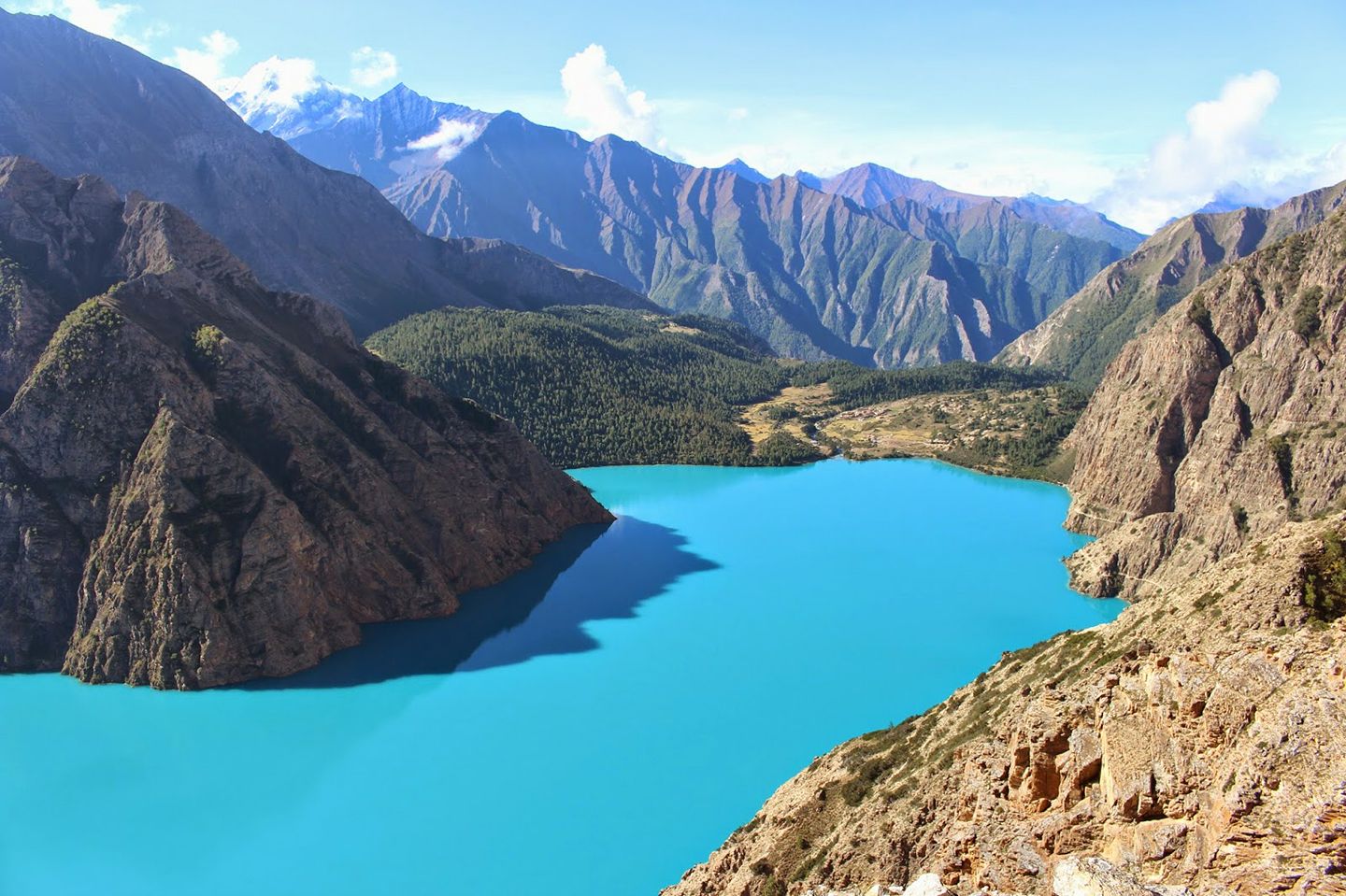
Phoksundo Lake
Crystal Clear Alpine Paradise
Phoksundo Lake: The Turquoise Jewel of Dolpo
Perched at an elevation of 3,611 meters (11,849 ft) within the protected sanctuary of Shey Phoksundo National Park, Phoksundo Lake is widely celebrated as the deepest and most mesmerizingly beautiful lake in Nepal. Famous for its striking turquoise color that shifts with the sunlight, the lake is an oligotrophic body of water, meaning it is devoid of aquatic life, which grants it an ethereal, crystal-clear quality perfect for reflection. Beyond its natural splendor, the lake is a spiritual center for the ancient Bon religion; the shore is home to the culturally distinct village of Ringmo and the ancient Thasung Tsholing Monastery, offering visitors a profound connection to Himalayan heritage. This dramatic landscape, formed by a prehistoric landslide, also features the spectacular 167-meter Suligad Waterfall—widely cited as the highest in Nepal—making it a destination that combines geological wonder with deep spiritual tranquility.
Major Highlights:
-
Deepest Lake in Nepal: Maximum depth of 145m (475 ft).
-
Turquoise Waters: Unique, vibrant blue color due to its oligotrophic nature.
-
Bon Culture: Home to Ringmo Village and ancient Bon monasteries.
-
Suligad Waterfall: Located at the lake's outlet, this is widely considered Nepal’s highest waterfall (167m).
-
Exclusive Wilderness: Located inside Shey Phoksundo National Park, a primary habitat for the Snow Leopard.
-
Cinematic History: A primary filming location for the Oscar-nominated movie Himalaya (Caravan).
Dho Tarap
The Valley of the Underground Village
Dho Tarap: The Valley of the Underground Village
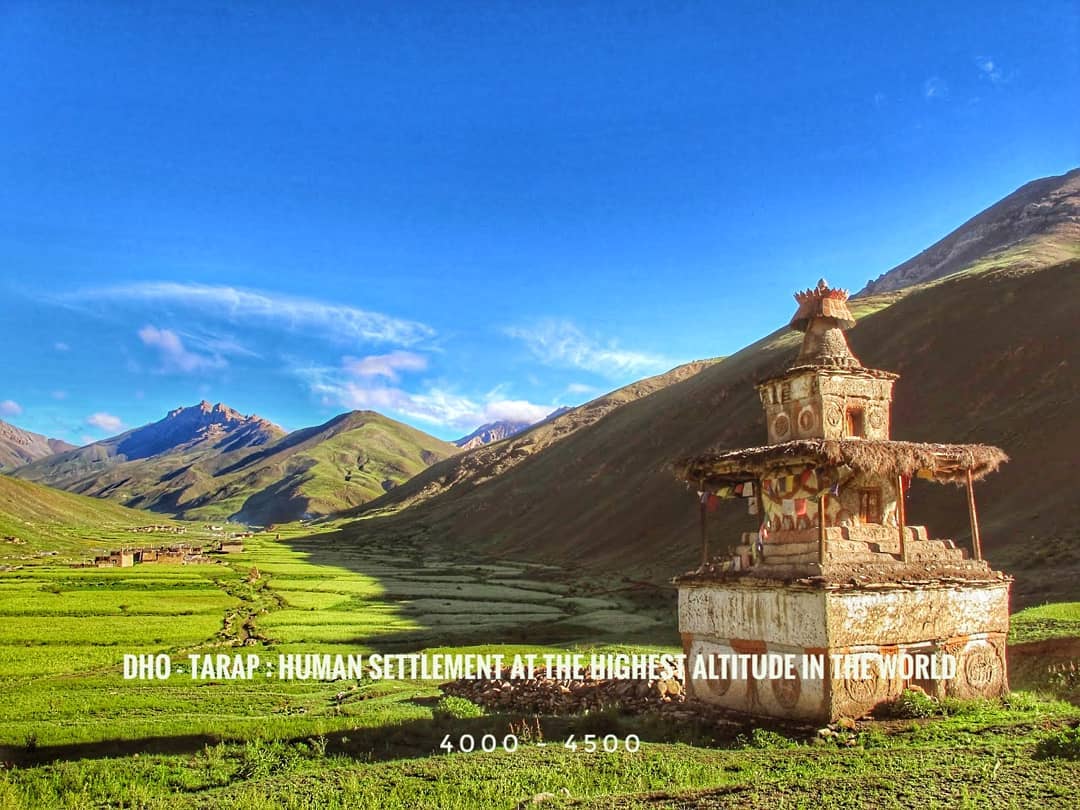
Located at an altitude of approximately 4,080 meters (13,386 ft) along the historic trade routes connecting Nepal to Tibet, Dho Tarap is famously cited as one of the highest permanent human settlements on Earth. This wide, windswept valley is renowned for its unique vernacular architecture, where stone houses are built with significant underground living spaces to insulate inhabitants against the harsh Himalayan winters. A bustling junction where the cultures of the Dolpo-pa and the traders of Mustang meet, Dho Tarap is a living museum of ancient traditions, home to centuries-old Buddhist and Bon monasteries like Ribo Bhumpa and Shipchok. The valley offers trekkers a rare glimpse into a "primeval" lifestyle, where yak caravans still traverse the high passes and daily life is dictated by the rhythms of the seasons and the harvest of the precious Yarsagumba fungus.
Major Highlights:
-
World’s Highest Settlement: One of the highest inhabited villages in the world at ~4,080m.
-
Underground Architecture: Distinctive homes with subterranean living quarters for warmth.
-
Cultural Hub: A historic trading center connecting Upper Dolpo, Mustang, and Tibet.
-
Ancient Monasteries: Home to significant religious sites including Ribo Bhumpa and Shipchok Gompa.
-
High Alpine Scenery: Situated in a spectacular, expansive valley surrounded by peaks and high passes (Numa La & Baga La).
-
Living Tradition: A stronghold of authentic Tibetan culture and the agro-pastoral lifestyle of the Dolpo-pa.
Dunai Bazar
The Gateway to the Hidden Land
Dunai Bazar: The Gateway to the Hidden Land
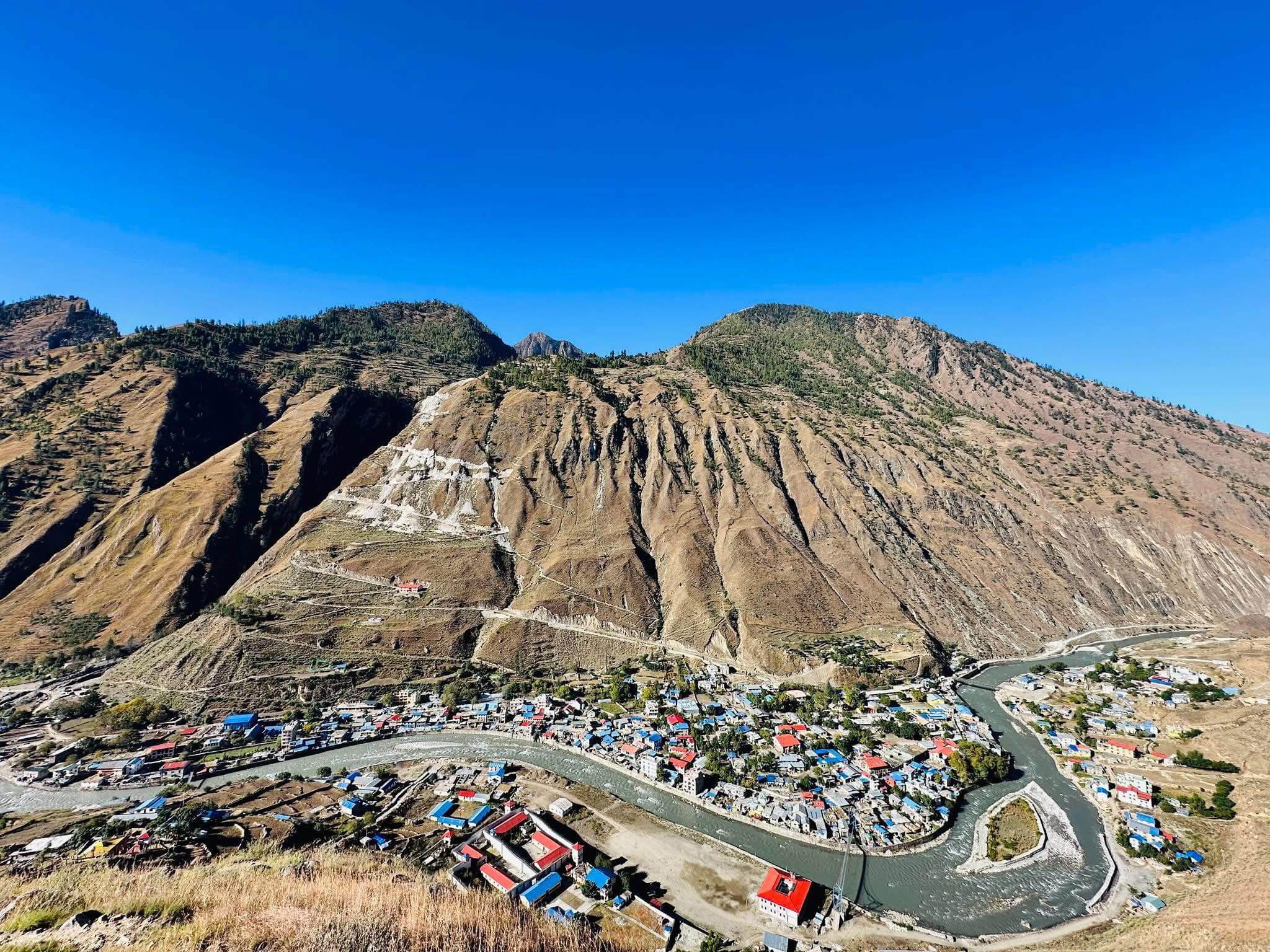
Situated at an elevation of approximately 2,140 meters (7,021 ft) on the banks of the roaring Thuli Bheri River, Dunai is the vibrant administrative headquarters of the Dolpa district and the essential gateway for all trekking expeditions into the region. Far from being just a transit point, Dunai is a bustling cultural melting pot where Hindu traditions from the south blend seamlessly with the Tibetan Buddhist and Bon influences of the north. Travelers can explore the lively market lined with shops, visit the unique Dolpo Bon School and Stupa, or take a short pilgrimage to the nearby Bala Tripura Sundari Temple, a revered Hindu shrine. With its relatively mild climate, riverside ambiance, and essential amenities like communication and healthcare, Dunai serves as the perfect acclimatization hub before ascending to the high-altitude wonders of Upper Dolpo.
Major Highlights:
-
District Headquarters: The administrative and commercial capital of Dolpa, offering essential supplies and services.
-
Riverside Location: Beautifully situated along the turquoise waters of the Thuli Bheri River.
-
Cultural Fusion: A unique town where Hindu, Buddhist, and Bon cultures coexist.
-
Bon Heritage: Home to the Dolpo Bon School and a significant Bon Stupa.
-
Pilgrimage Site: The gateway to the famous Bala Tripura Sundari Temple in nearby Tripurakot.
-
Trekking Hub: The official starting point for the Lower and Upper Dolpo circuits and the Phoksundo Lake trek.
Suligad Falls
Nature’s Thunderous Masterpiece
Suligad Falls: Nature’s Thunderous Masterpiece
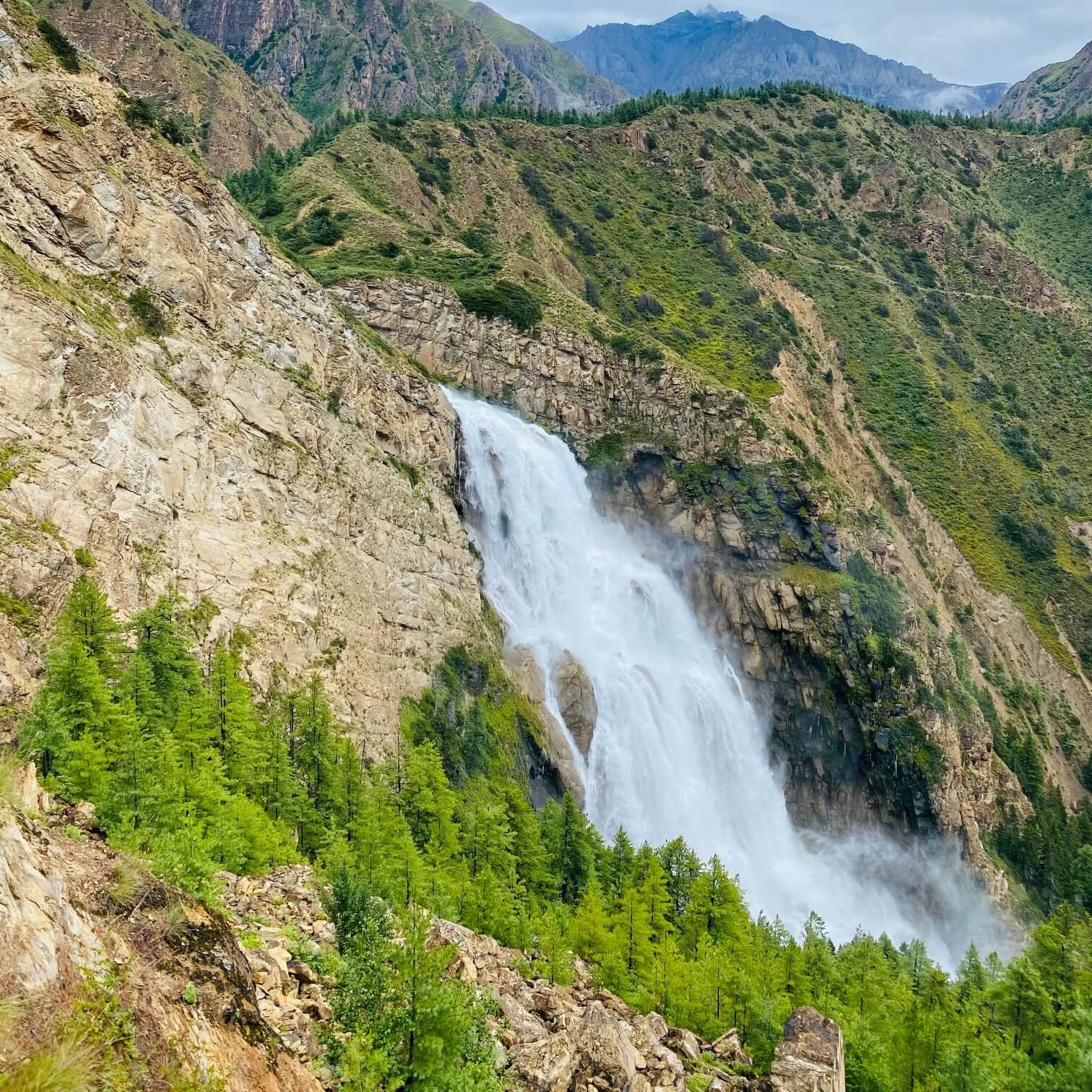
Located at the southern outlet of the sacred Phoksundo Lake, the Suligad Waterfall (also known as Phoksundo Waterfall) is a breathtaking cascade that serves as the dramatic gateway to the Upper Dolpo region. Plunging 167 meters (548 feet) down a sheer rocky cliff, it is widely celebrated as Nepal’s highest waterfall, creating a thunderous contrast to the serene, turquoise waters of the lake above. The waterfall is situated within the Shey Phoksundo National Park, where its massive spray zone creates a unique micro-climate of lush vegetation that stands out vividly against the surrounding arid, Trans-Himalayan landscape. Visible from a dedicated viewpoint on the trail to Ringmo, the falls offer trekkers a spectacular display of raw hydrological power, often adorned with rainbows formed in the mist.
Major Highlights:
-
Highest Waterfall Claim: Widely cited as the highest waterfall in Nepal with a drop of 167m (548 ft).
-
Dramatic Source: Fed directly by the crystal-clear outflow of the oligotrophic Phoksundo Lake.
-
Scenic Contrast: The mist supports a lush green oasis that contrasts sharply with the surrounding high-altitude desert.
-
Prime Viewpoint: Easily viewed from a high ridge viewpoint near the village of Ringmo, offering perfect photography opportunities.
-
Protected Location: Situated inside Shey Phoksundo National Park, ensuring a pristine and untouched environment.
Shey Gompa
The Crystal Monastery of the Spiritual Highlands
Shey Gompa: The Crystal Monastery of the Spiritual Highlands
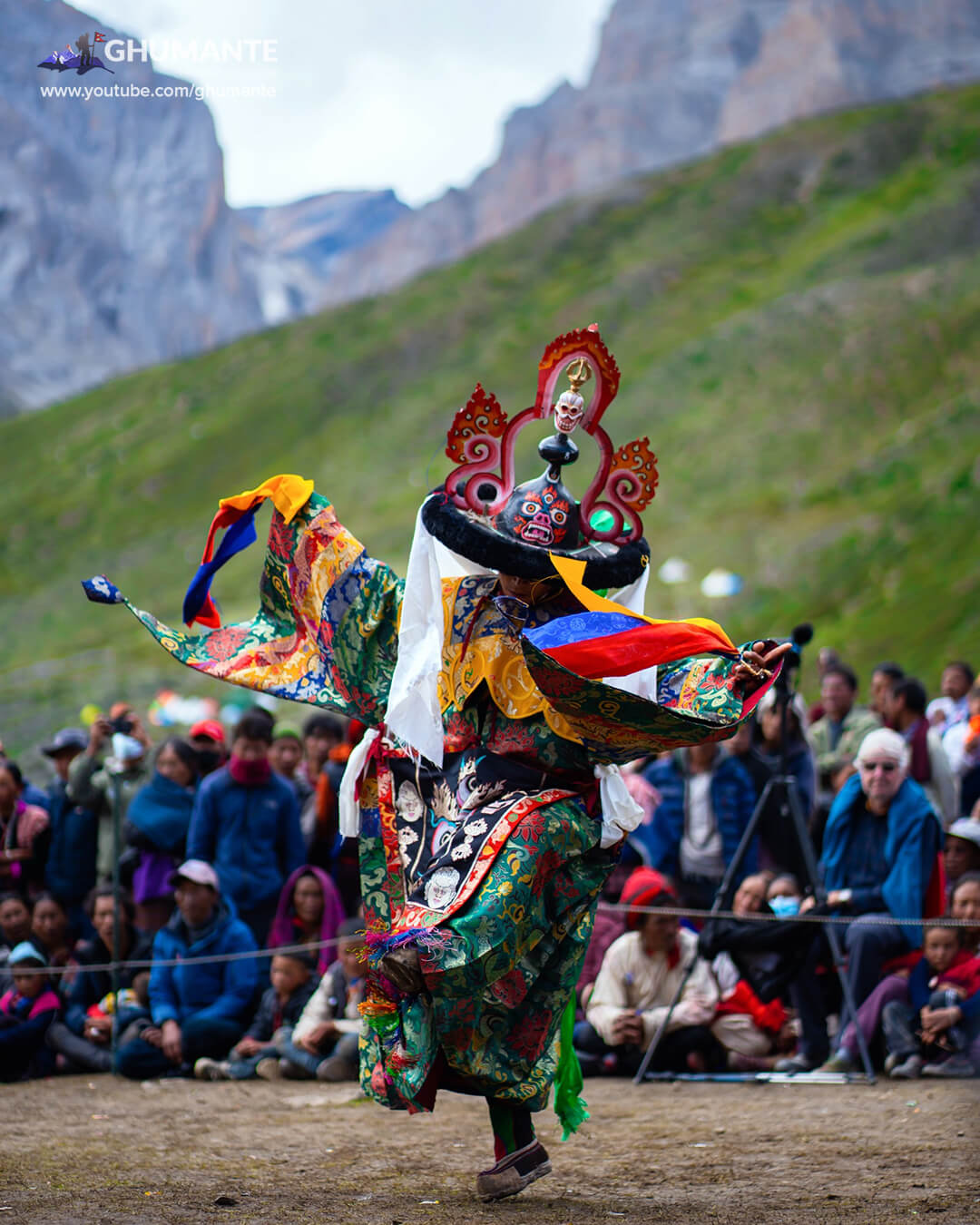
Situated at an elevation of approximately 4,343 meters (14,248 ft) at the base of the sacred Crystal Mountain (Shey Riwo Drugdra), Shey Gompa is the undisputed spiritual heart of Upper Dolpo. Often referred to as the "Younger Brother of Mount Kailash," this 11th-century monastery is a sanctuary of profound silence and history, famously immortalized in Peter Matthiessen’s literary classic The Snow Leopard. The monastery's interior is a treasure trove of Himalayan art, housing vibrant ancient frescoes and an imposing two-story copper statue of Shakyamuni Buddha gilded in gold, which dominates the main prayer hall. Every 12 years, during the Year of the Dragon, the monastery transforms into a bustling pilgrimage site for the grand Shey Festival, where devotees gather to perform the Kora (circumambulation) around the crystal-veined mountain that towers above the sanctuary.
Major Highlights:
-
Spiritual Center: The holiest monastery in Dolpo, revered as a spiritual sibling to Mt. Kailash in Tibet.
-
Literary Fame: The legendary destination of Peter Matthiessen’s spiritual quest in his book The Snow Leopard.
-
Crystal Mountain: Located at the foot of a unique peak laced with quartz veins and marine fossils.
-
Ancient Art Treasures: Houses a massive two-story gilded copper Buddha statue and centuries-old wall paintings.
-
Shey Festival: The venue for the rare 12-year Dragon Festival (next scheduled for 2036).
-
Tsakang Hermitage: A dramatic red-cliff retreat located nearby, famously used for solitary meditation by high lamas.
Samling Gompa
The Ancient Sanctuary of the Bon Tradition
Samling Gompa: The Ancient Sanctuary of the Bon Tradition
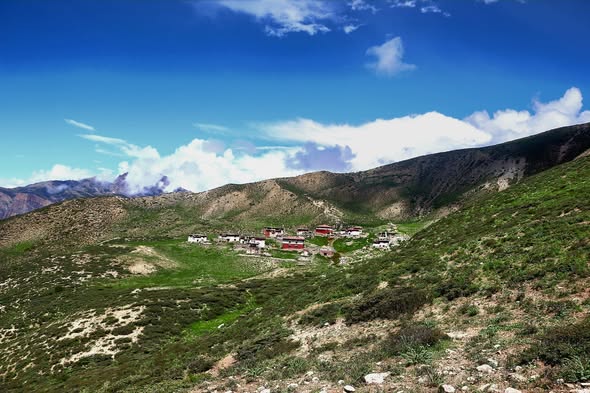
Perched high on a grassy slope above the village of Bhijer, Samling Gompa is arguably the most historically significant Bon monastery in Nepal and a "living museum" of pre-Buddhist Himalayan culture. Established in 1183 AD by the illustrious Yangton lineage, this secluded sanctuary has served as a center of learning for Sutra, Tantra, and Dzogchen for over eight centuries. The monastery complex is visually striking, composed of white and terra-cotta red buildings surrounded by 22 distinctive chortens (stupas) that trekkers must circumambulate counter-clockwise in accordance with Bon tradition. Inside, the gompa houses a priceless collection of artifacts, including gold-gilded statues, ancient medical texts, and vibrant thangkas that date back to the monastery's founding, offering a rare and profound glimpse into the spiritual roots of the Dolpo-pa.
Major Highlights:
-
Oldest Bon Monastery: Established in the 12th century (1183 AD), making it one of the oldest active Bon sites in the Himalayas.
-
Yangton Lineage: The historical seat of the prestigious Yangton lamas, a lineage of great scholars and yogis.
-
Artistic Treasures: Houses rare murals, ancient scriptures, and statues, including documents historically linked to Chinese emperors.
-
Unique Architecture: Famous for its cluster of 22 chortens and distinctive red-and-white masonry.
-
Secluded Location: Situated 30 minutes above Bhijer village, offering panoramic views and deep spiritual silence.
-
Living Tradition: A vital center for the practice of "Yungdrung Bon" (Eternal Bon), distinct from Tibetan Buddhism.
Ringmo Village
The Bon Sanctuary by the Lake
Ringmo Village: The Bon Sanctuary by the Lake
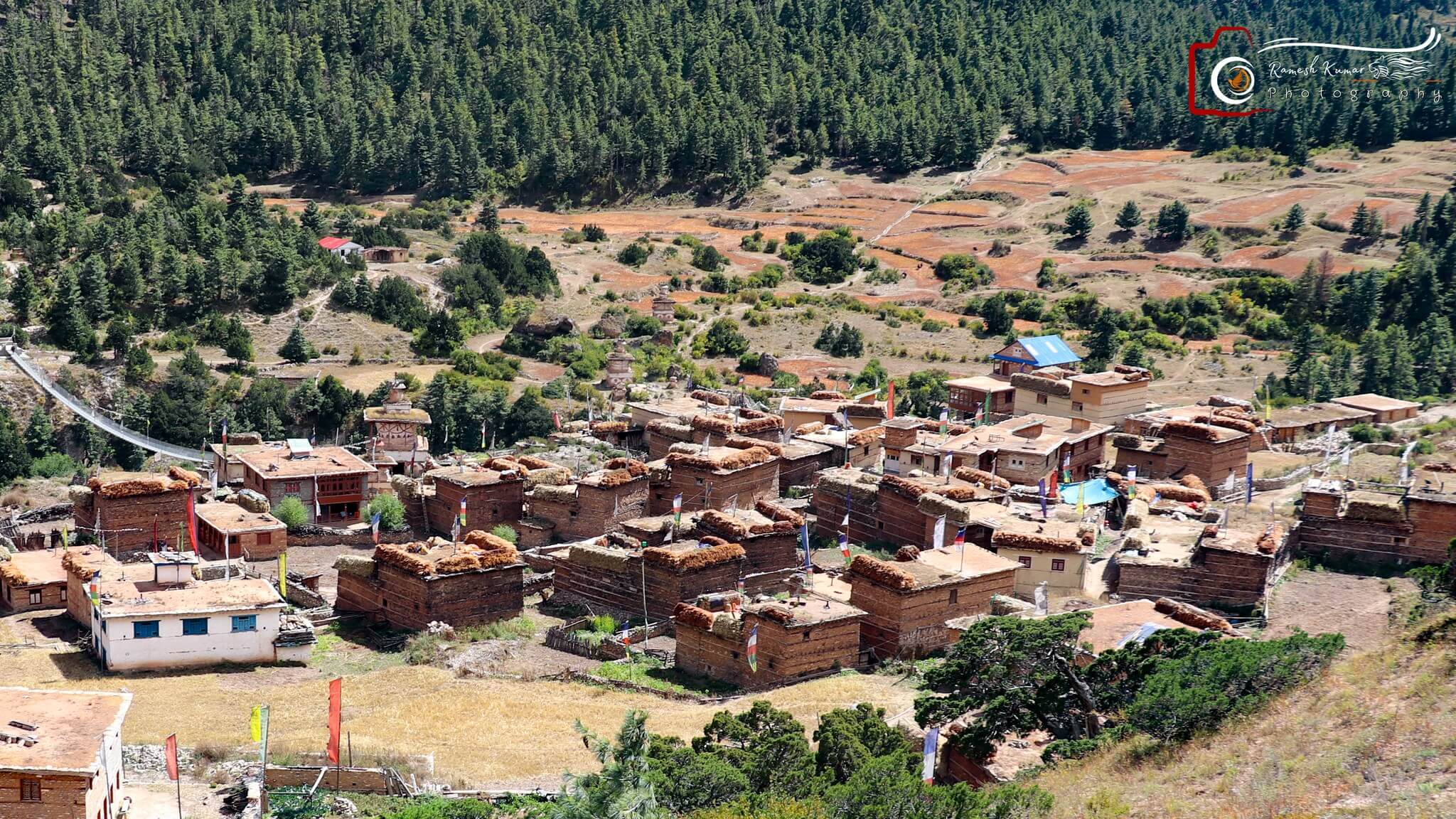
Sitting precariously on a prehistoric landslide dam that holds back the turquoise waters of Phoksundo Lake, Ringmo (3,641m) is a culturally distinct village that serves as a living museum of the ancient Bon religion. Unlike most Himalayan settlements that follow Tibetan Buddhism, Ringmo remains a stronghold of the pre-Buddhist Bon tradition, where locals circumambulate Mani walls and shrines counter-clockwise—a unique practice that sets them apart. The village architecture is a masterclass in high-altitude adaptation; flat-roofed stone houses are clustered tightly together with windowless rear walls to form a defensive barrier against the fierce winds roaring up the valley. Just a short walk through pine and juniper forests leads to the 900-year-old Thasung Tsholing Monastery, overlooking the lake, making Ringmo not just a scenic stop, but a profound spiritual gateway to the mysteries of Upper Dolpo.
Major Highlights:
-
Lakeside Setting: spectacularly located on the natural dam forming Phoksundo Lake.
-
Bon Culture: A rare enclave of the Bon religion, predating Tibetan Buddhism.
-
Thasung Tsholing Gompa: Home to a 9-century-old Bon monastery located on the lake's shore.
-
Unique Architecture: Traditional flat-roofed stone houses designed to withstand extreme alpine weather.
-
Sacred Landscape: The village and lake are considered holy, with strict prohibitions against harming wildlife or polluting the water.
-
Cultural Gateway: The last major settlement before entering the restricted wilderness of Inner Dolpo.
Shey Festival
The Grand Dragon Year Pilgrimage
Shey Festival: The Grand Dragon Year Pilgrimage
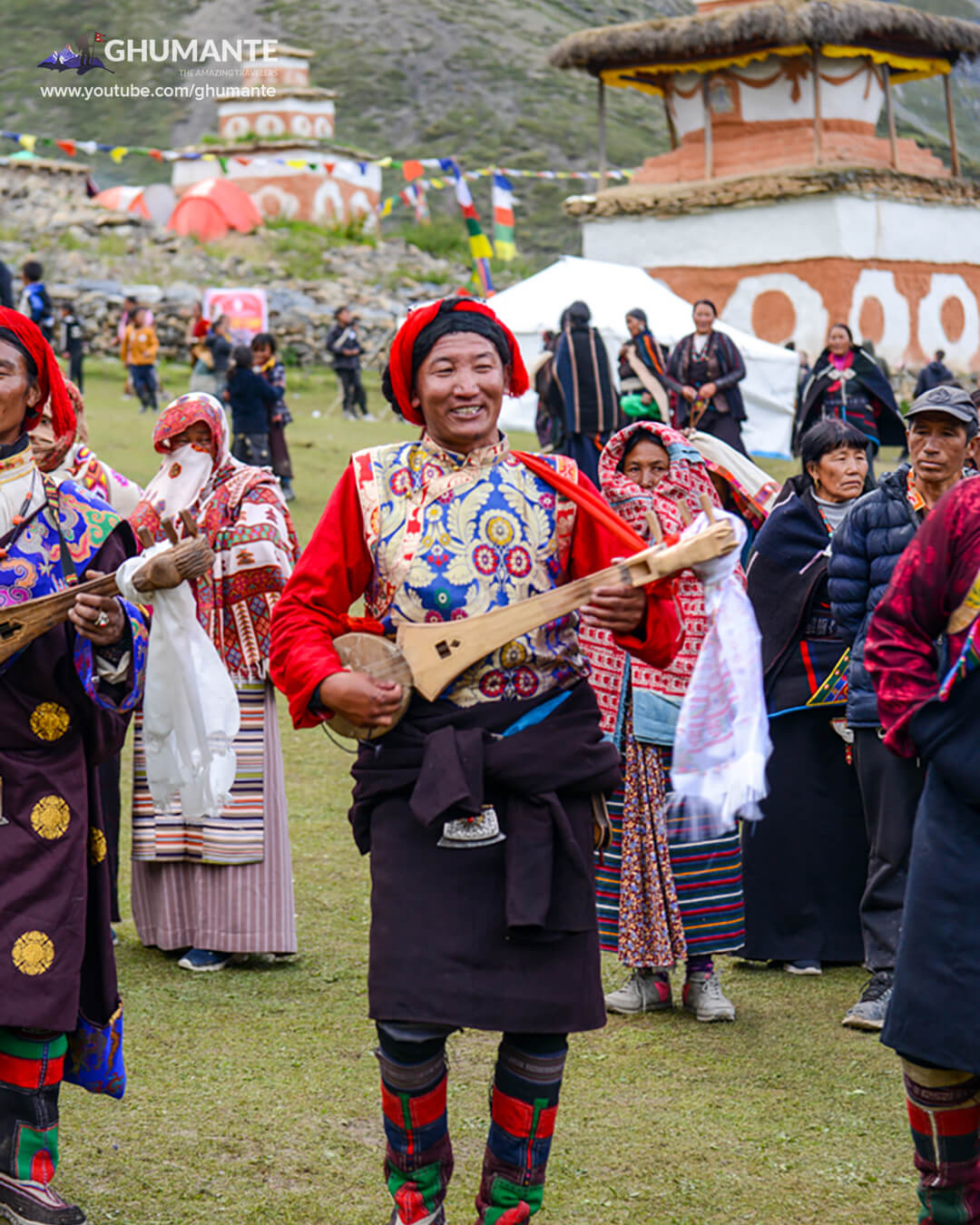
Held only once every 12 years during the Year of the Dragon, the Shey Festival is the most significant and spiritually profound gathering in the Dolpo region.This grand pilgrimage takes place at the sacred Shey Gompa, located at the base of the Crystal Mountain (Shey Riwo Drugdra), where thousands of devotees gather to perform the Kora (circumambulation) around the peak—a ritual believed to wash away a lifetime of sins.The festival is a vibrant explosion of culture in the high Himalayas, featuring ancient Cham (masked dances) performed by monks, spirited horse racing competitions, archery contests, and the gathering of traditional Amchi healers, offering a rare window into the living heritage of Tibetan Buddhism and Bon traditions. The most recent festival occurred in 2024, with the next highly anticipated celebration scheduled for 2036.
Major Highlights:
-
Rare Occurrence: celebrated only once every 12 years (Year of the Dragon).
-
Crystal Mountain Kora: The central ritual involves circumambulating the holy peak, considered a relative of Mt. Kailash.
-
Shey Gompa Location: Hosted at the spiritual heart of Upper Dolpo (4,343m).
-
Cultural Spectacle: Features elaborate monk mask dances, traditional singing, and communal feasting.
-
Horse Racing & Archery: Showcases the traditional skills and equestrian culture of the Dolpo-pa people.
-
Spiritual Merit: Pilgrims believe participation brings merit equivalent to circling Mt. Kailash 13 times.
Rung (Chaiti) Festival
The Winter Celebration of Tichorong
Rung (Chaiti) Festival: The Winter Celebration of Tichorong
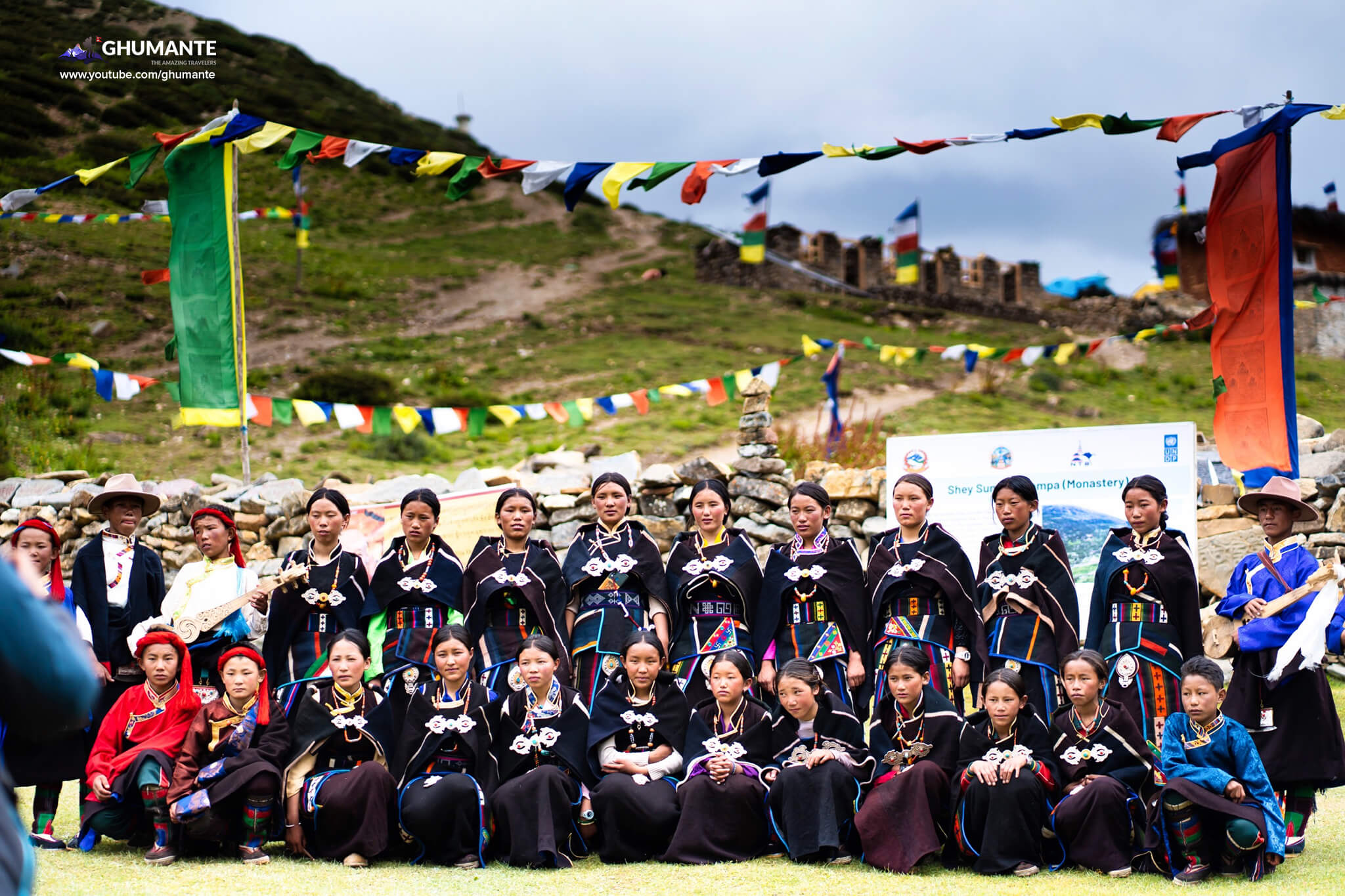
celebrated exclusively by the Tarali Magar community in the Tichorong valley of Lower Dolpo, the Rung Festival (often referred to as Chaiti) is a vibrant winter tradition that honours ancestral deities and community bonds. Typically occurring in January or February, this festival serves as a spiritual renewal where villagers gather to perform the Lapsole ritual, a ceremony timed by the auspicious alignment of the stars and moon. The visual highlight of the festival is the mass renewal of Tarchuwa (colorful roof flags) on every home, transforming villages like Tarakot into a fluttering sea of color against the stark winter landscape. It is a time of great joy, marked by communal feasting, traditional dancing, and the worship of Chyohopata (the ancestor god), offering a rare glimpse into the unique heritage of the Tarali people.
Major Highlights:
-
Exclusive Culture: Unique to the Tarali Magar people of the Tichorong Valley (Lower Dolpo).
-
Winter Spectacle: Celebrated in winter (Jan/Feb), contrasting vibrant festivities with the snowy landscape.
-
Flag Renewal: Features the ceremonial replacement of Tarchuwa (roof flags) on every house.
-
Lapsole Ritual: The main event is determined by specific astrological alignments of the stars.
-
Ancestral Worship: Dedicated to Chyohopata, the revered ancestor deity of the region.
-
Living Heritage: A period of intense social bonding, feasting, and traditional folk dancing.
Bala Tripura Sundari Temple
Bala Tripura Sundari Temple: The Sacred Shakti Peeth of Dolpo
Bala Tripura Sundari Temple: The Sacred Shakti Peeth of Dolpo
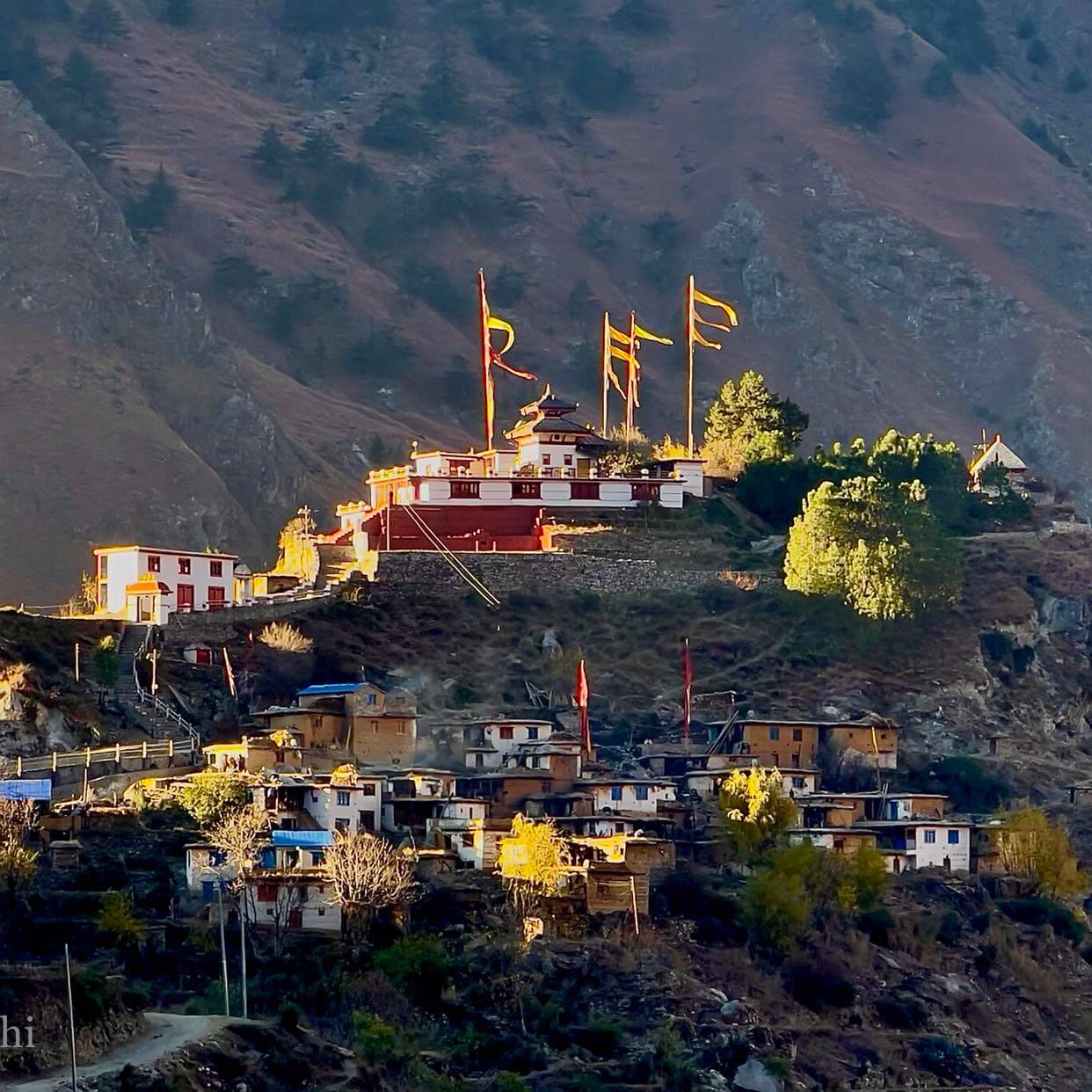
Perched on a scenic hilltop in Tripurakot overlooking the Thuli Bheri River, the Bala Tripura Sundari Temple is the most significant Hindu shrine in the Dolpa district and a revered Shakti Peeth. Believed to have been established in the 12th century (1114 B.S.), this ancient temple is dedicated to the goddess Tripura Sundari in her "Bala" (child) form and is steeped in legends, including the mystical transformation of butterflies into divine statues. The temple complex features beautiful wood and stone craftsmanship and serves as a powerful spiritual center where renowned sages like Khaptad Baba and the Shankaracharya of Kanchi Kamakoti once meditated. During the Dashain festival, the temple transforms into a vibrant hub of devotion as thousands of pilgrims climb the 1,008 stone steps to offer prayers and witness the grand worship of the goddess.
Major Highlights:
-
Sacred Shakti Peeth: Revered as a holy site where a part of Goddess Sati Devi's body (the hip) is believed to have fallen.
-
Ancient History: Established over 900 years ago (approx. 1114 B.S.), making it a historic pillar of faith in western Nepal.
-
Hilltop Location: Situated in Tripurakot with panoramic views of the Thuli Bheri River and snow-capped peaks like Mukuteshwar.
-
Unique Legend: Famous for the local legend where divine butterflies transformed into the temple's sacred idols.
-
Spiritual Connection: A site of meditation for spiritual masters like Khaptad Baba; features a dedicated stairway of 1,008 steps.
-
Dashain Pilgrimage: The center of massive celebrations during the Navaratri (Dashain) festival, attracting devotees from across the region.
Jagdulla Lake
The Sacred Heart of the Wild West
Jagdulla Lake: The Sacred Heart of the Wild West
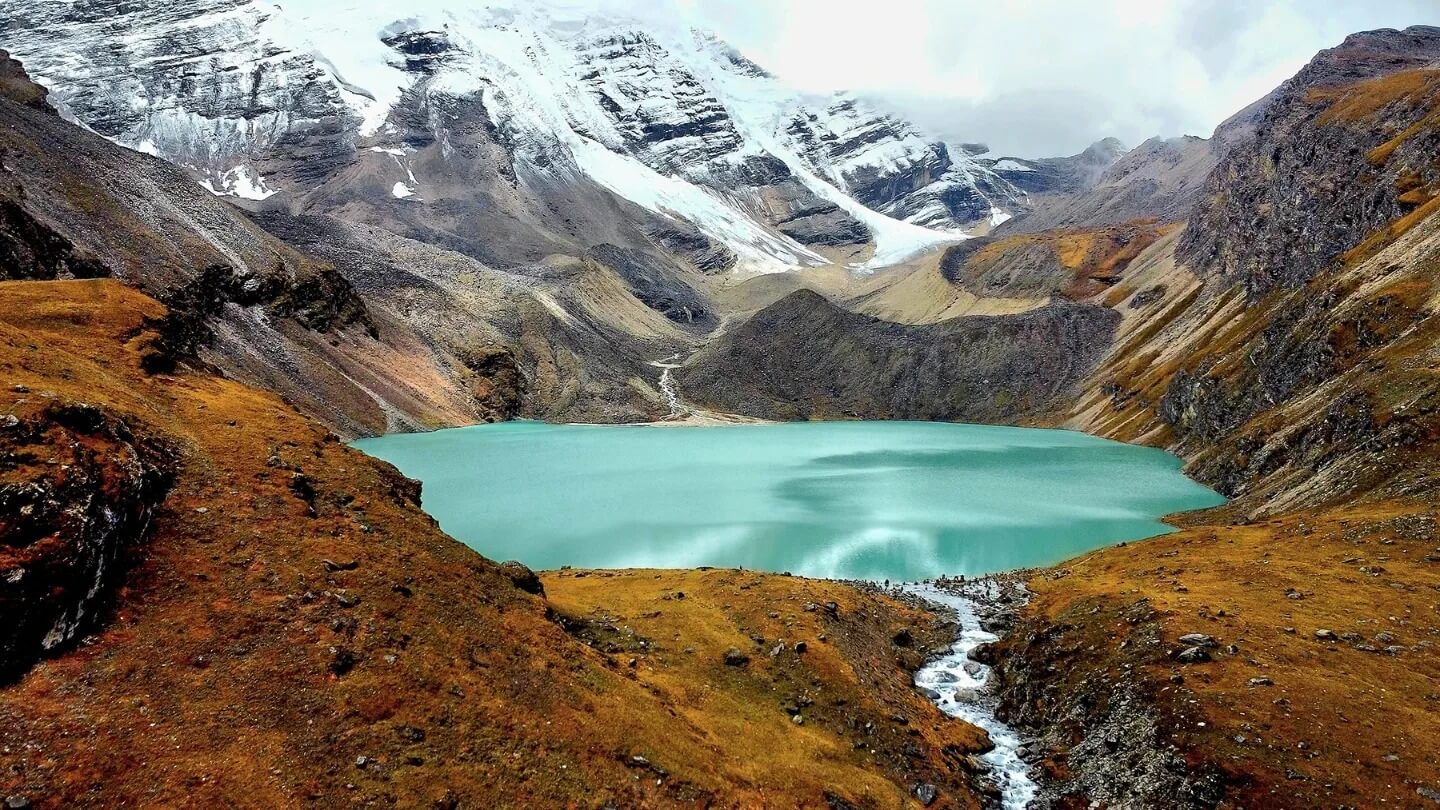
Hidden deep within the rugged folds of the Jagadulla Rural Municipality at an altitude of 4,700 meters (15,420 ft), Jagdulla Lake is a pristine spiritual sanctuary often described as the "Gateway to Heaven" by locals. Known traditionally as Rikhesh Daha or Dudh Kunda, it has recently gained fame as "Prem Taal" (Love Lake) due to its distinct heart-like shape resembling a betel leaf. This sacred body of water is revered as the residence of 900,009 gods and goddesses, making it a major pilgrimage site where devotees believe the water possesses divine powers to wash away sins, cure illnesses, and bless infertile couples with children. Trekking to Jagdulla offers a raw, off-the-beaten-path adventure through untouched forests and high alpine meadows, often coinciding with the harvest grounds of the valuable Yarsagumba fungus.
Major Highlights:
-
High Altitude Gem: Situated at a breathtaking elevation of 4,700m (15,420 ft).
-
Unique Heart Shape: Famous for its natural heart shape, earning it the nickname "Prem Taal" (Love Lake).
-
Abode of Gods: Believed to be the dwelling place of over 900,000 deities, offering immense spiritual merit.
-
Healing Waters: Pilgrims believe the lake water cures diseases and grants fertility to couples.
-
Untouched Wilderness: A "virgin" trekking route that remains far less crowded than the popular Phoksundo trail.
-
Yarsagumba Habitat: The surrounding high pastures are prime grounds for the "Himalayan Gold" (Cordyceps) harvest.
Shrawan Sankranti (Raake Sankranti)
The Festival of Fire and Purification
Shrawan Sankranti (Raake Sankranti): The Festival of Fire and Purification
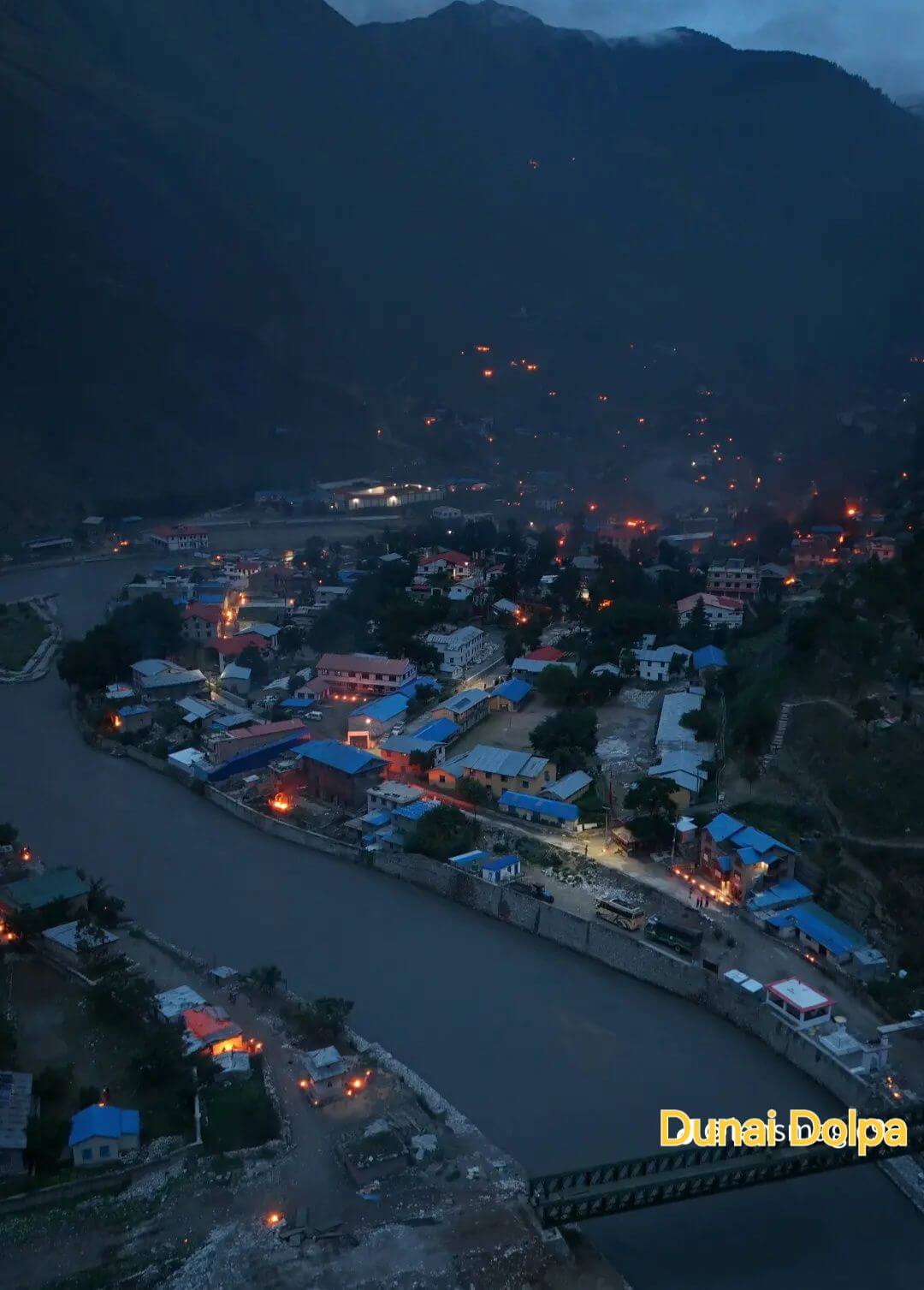
Celebrated on the first day of the holy month of Shrawan (mid-July), Shrawan Sankranti takes on a spectacular and unique form in Dolpa, where it is locally known as Raake Sankranti (The Torch Festival). While the rest of Nepal marks this day by throwing away burning wood to ward off scabies (Luto Phalne), the people of Dolpa—particularly in villages like Majhphal—elevate the tradition into a dramatic night-time ritual. As dusk falls, families climb to their rooftops to light Raanko (flaming bundles of firewood), creating a mesmerizing visual of hundreds of torches glowing against the dark silhouettes of the mountains. In a boisterous communal ceremony, villagers shout symbolic "curses" across the river valleys, a practice believed not to cause offense but to aggressively banish illness, bad omens, and evil spirits from their homes, rooting the festival in ancient Khas legends of purification and protection.
Major Highlights:
-
Fiery Spectacle: Famous for the lighting of Raanko (fire torches) on rooftops, illuminating the valley at night.
-
Unique Curse Ritual: Villagers shout symbolic curses across the river to drive away evil spirits and bad luck.
-
Historical Roots: Linked to legends of the Jumla King Baliraj’s victory and the burning of Lanka by Lord Hanuman.
-
Healing Tradition: A distinct Dolpo variation of the Luto Phalne ritual, meant to purge diseases like scabies.
-
Khas Heritage: A vibrant display of the ancient Khas culture preserved in the Lower Dolpo and Majhphal regions.
-
Monsoon Marker: Marks the beginning of the holy month of Shrawan, signaling a time of agricultural rest and worship of Lord Shiva.
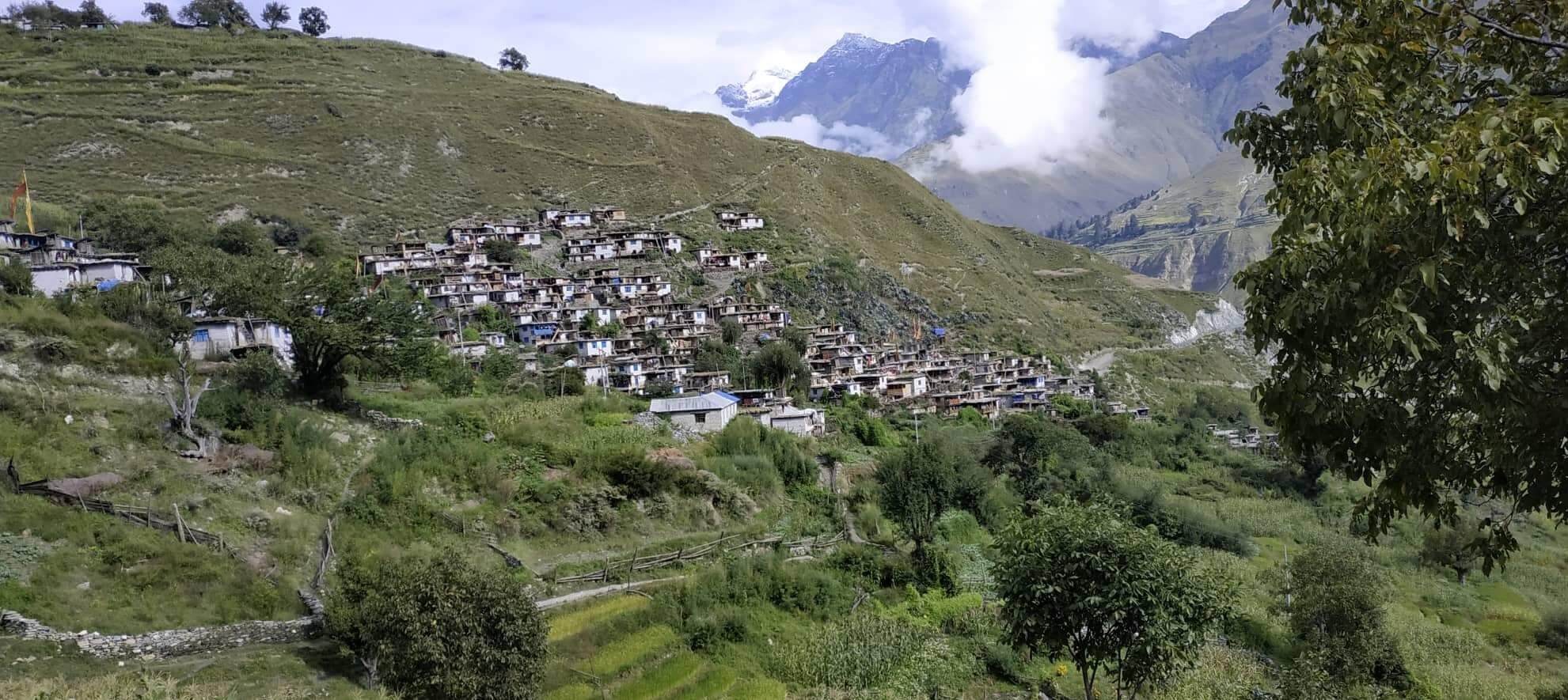
Tarakot Hot Spring (Tatopani)
The Healing Waters of the Tichurong Valley
Tarakot Hot Spring (Tatopani): The Healing Waters of the Tichurong Valley
Nestled in the deep gorge of the Thuli Bheri River near the historic fortress village of Tarakot (2,540m), the Tarakot Hot Spring is a hidden geothermal gem on the Lower Dolpo trekking circuit. Scientifically maintained at a soothingly constant temperature of roughly 48.9°C (120°F), these mineral-rich waters are fed by deep tectonic fractures near the Main Central Thrust, making them renowned among locals and trekkers for their therapeutic properties. Located just below the ancient capital of the Tichurong Kingdom, the springs offer a rustic, open-air bathing experience where weary travelers can soak away the fatigue of the trail while gazing up at the towering cliffs and pine forests of the buffer zone. The site is often combined with a visit to the nearby 11th-century Sandul Gompa, blending natural healing with the deep spiritual heritage of the Magar and Bon communities.
Major Highlights:
-
Therapeutic Heat: Naturally stable water temperature of ~49°C, ideal for muscle relaxation.
-
Geological Wonder: Fed by active tectonic faults, releasing mineral-rich waters and therapeutic gases.
-
Historic Setting: Located near Tarakot (Dzong), the ancient fortified capital of the Tichurong Kingdom.
-
Sandul Gompa: Close proximity to the 11th-century Sandul Monastery across the river confluence.
-
Scenic Gorge: Situated in a dramatic river canyon surrounded by pine forests and terraced fields.
-
Exclusive Access: A quiet, non-commercialized experience available primarily to permit-holding trekkers.
Maghe Sankranti
The Festival of Winter's End and Warmth
Maghe Sankranti: The Festival of Winter's End and Warmth
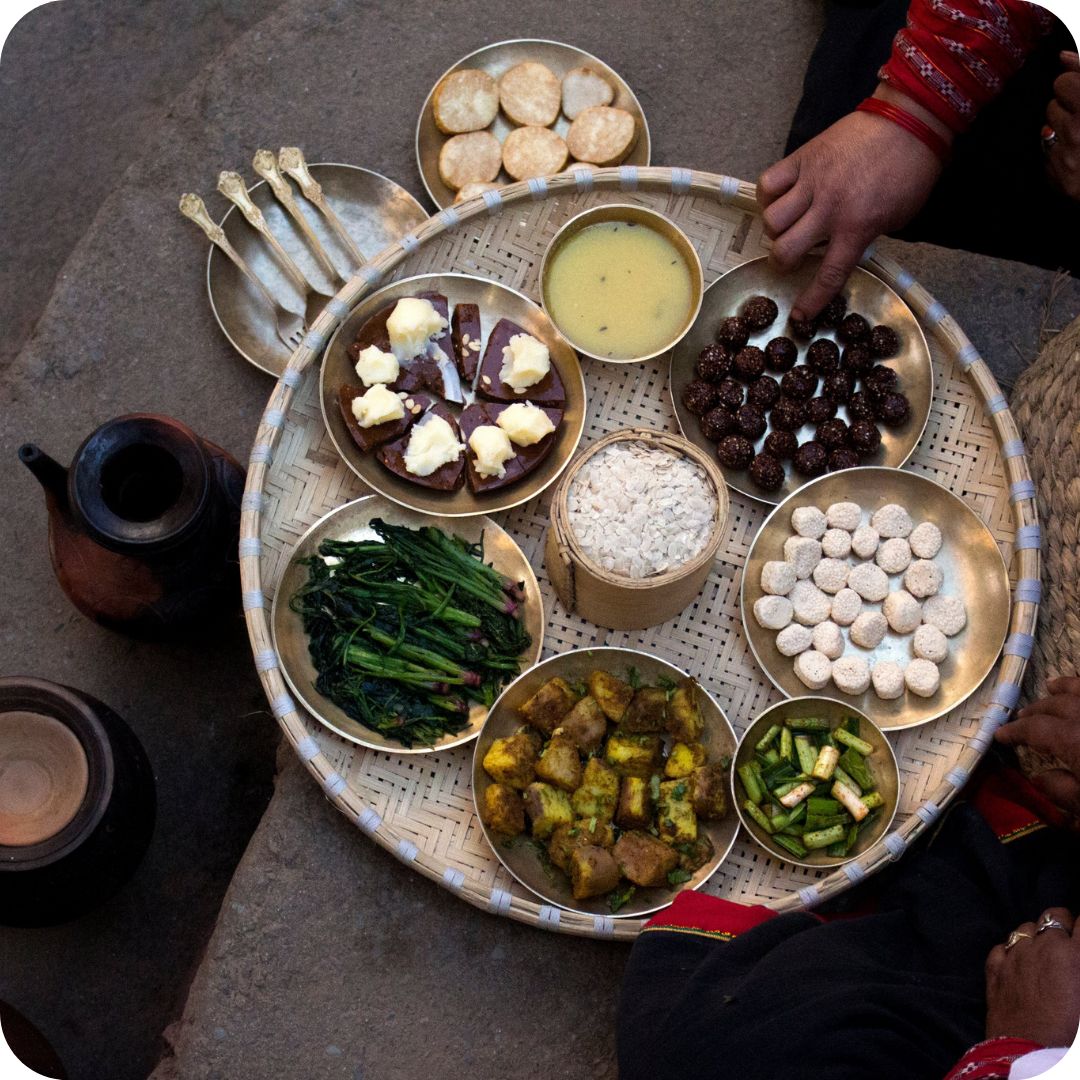
Celebrated on the first day of the month of Magh (mid-January), Maghe Sankranti (also known as Makar Sankranti) marks the astrological end of winter and the sun's transition into the northern hemisphere, bringing longer and warmer days. In Lower Dolpo, particularly among the Magar communities, this festival holds immense cultural significance, often rivaling Dashain in importance. It is a day of spiritual purification, where villagers take holy dips in the freezing waters of the Thuli Bheri River at dawn to wash away sins. The festival is synonymous with special winter delicacies; families gather to feast on Tarul (yams), Ghee (clarified butter), Chaku (molasses), and Batuk (a traditional Magar lentil donut), foods believed to generate internal heat and protect against the cold. Beyond the feasting, it is a day of honoring family bonds, specifically acknowledging daughters and sisters (Cheli-Beti), and is often marked by traditional archery competitions in Magar villages.
Major Highlights:
-
Winter Solstice Celebration: Marks the end of the coldest month and the beginning of the warmer "holy phase" of the year.
-
Magar Heritage: A principal festival for the Magar community dominating Lower Dolpo, celebrated with unique zeal.
-
Holy Bathing: Devotees take ritual dips in sacred river confluences like the Thuli Bheri to purify the soul.
-
Traditional Foods: Famous for eating Yams (Tarul), Ghee, Chaku, and Batuk to warm the body.
-
Family Reunion: A special day for honoring married daughters and sisters, strengthening family ties.
-
Archery Tradition: Often features traditional archery contests, showcasing the martial history of the Magar people.
Wild Animals of Dolpo
The Biodiversity of the Trans-Himalaya
Wild Animals of Dolpo: The Biodiversity of the Trans-Himalaya
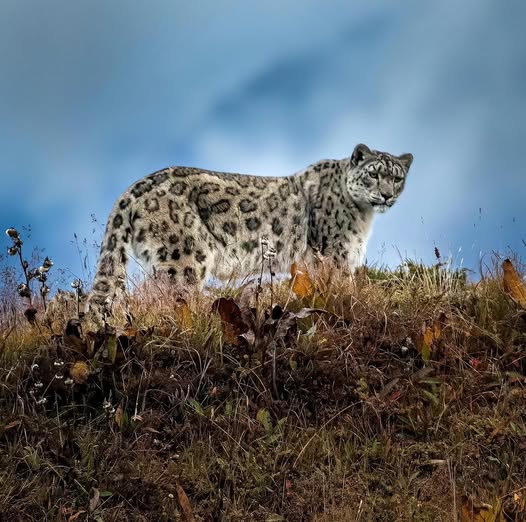
The rugged terrain of the Dolpa district, encompassing both the Shey Phoksundo National Park and the northern reaches of the Dhorpatan Hunting Reserve, serves as a critical sanctuary for some of the world's most elusive and endangered wildlife. This Trans-Himalayan ecosystem acts as a high-altitude refuge where the "Ghost of the Mountains," the Snow Leopard, thrives in one of its highest density populations in Nepal. The landscape is dominated by vast herds of Blue Sheep (Bharal), the primary prey for these predators, often seen grazing fearlessly on the steep, rocky cliffs near Shey Gompa. Beyond the big cats, the region is a haven for the rare Himalayan Wolf, the shy Musk Deer in the birch forests, and the vibrant Himalayan Monal (Danphe) adding color to the arid scrublands. The lower valleys also host the endangered Red Panda, making Dolpo a premier destination for wildlife photographers and researchers seeking to observe nature in its wildest, most undisturbed state.
Major Highlights:
-
Snow Leopard Capital: Shey Phoksundo National Park hosts a high density of Snow Leopards (approx. 2.2 per 100 sq km), making it a top global spot for tracking this elusive cat.
-
Blue Sheep (Bharal): Abundant herds of these agile mountain ungulates are frequently spotted on the trails to Shey Gompa and High Camp.
-
Himalayan Wolf: Home to the distinct and ancient lineage of the Himalayan Wolf (Canis lupus chanco), often heard or seen in the upper pastures.
-
Musk Deer: The birch and rhododendron forests of Lower Dolpo provide shelter for this endangered, solitary deer known for its scent glands.
-
Himalayan Tahr: Large goat-antelopes found on the rugged cliffs, particularly in the Dhorpatan and Lower Dolpo sections.
-
Rare Birdlife: A paradise for ornithologists, featuring the iridescent Himalayan Monal (Danphe), the massive Himalayan Griffon, and the Bearded Vulture (Lammergeier).
-
Red Panda: The temperate forests in the southern buffer zones support populations of the shy and endangered Red Panda.
Sundaha
The Sacred Alpine Lake of the Hunting Reserve
Sundaha: The Sacred Alpine Lake of the Hunting Reserve
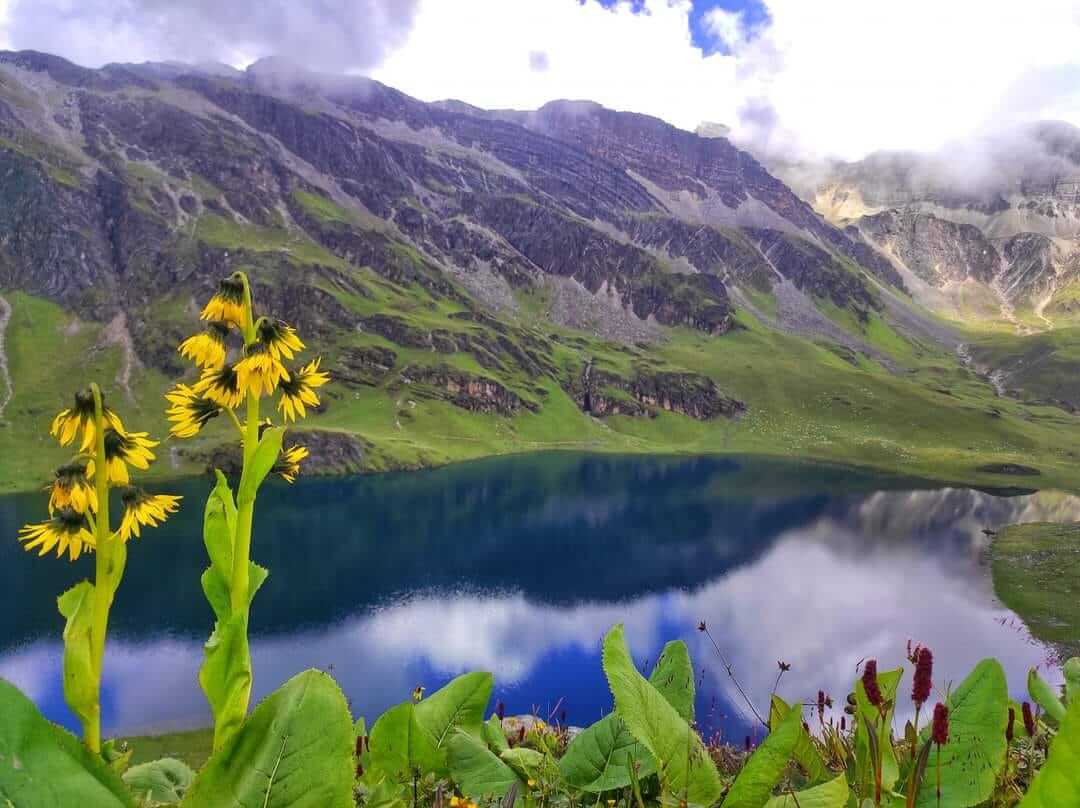
Nestled at an altitude of 4,435 meters (14,550 ft) within the rugged expanse of the Dhorpatan Hunting Reserve, Sundaha is a pristine, high-altitude freshwater lake that serves as a stunning natural bridge between the Rukum and Dolpa districts. Often visited as part of the "Sundaha Nature Trek" starting from Juphal or on the challenging traverse from Dhorpatan to Tarakot, this oligotrophic lake is a hidden jewel surrounded by vast alpine meadows and the towering peaks of the Churen Himal range. Beyond its breathtaking scenery, Sundaha is a biodiversity hotspot, acting as a prime habitat for the Himalayan Blue Sheep (Bharal) and the Himalayan Tahr, which draws wildlife enthusiasts and licensed hunters to this designated "hunting block." Culturally, the lake holds deep spiritual significance; during the Janai Purnima festival, local Shamans and devotees trek here to worship the deity 'Baraha,' blending wilderness adventure with ancient animistic traditions.
Major Highlights:
-
High-Altitude Lake: A crystal-clear alpine lake situated at 4,435m (14,550 ft), offering mirror-like reflections of the mountains.
-
Wildlife Sanctuary: A core area of the Dhorpatan Hunting Reserve, famous for Blue Sheep, Himalayan Tahr, and Red Pandas.
-
Trekking Hub: A key highlight of the "Sundaha Nature Trek" and the adventurous route connecting Dhorpatan to Tarakot in Dolpo.
-
Spiritual Site: Revered by locals who perform pilgrimages here to worship the 'Baraha' god during the Janai Purnima festival.
-
Untouched Wilderness: Offers a raw, off-the-beaten-path experience with vast meadows (patans) and dense fir forests.
-
Hunting Block: One of the seven designated hunting blocks in Nepal, known as the "Sundaha Block," managed for controlled trophy hunting.
Birds of Dolpo
An Ornithological Paradise in the Trans-Himalaya
Birds of Dolpo: An Ornithological Paradise in the Trans-Himalaya
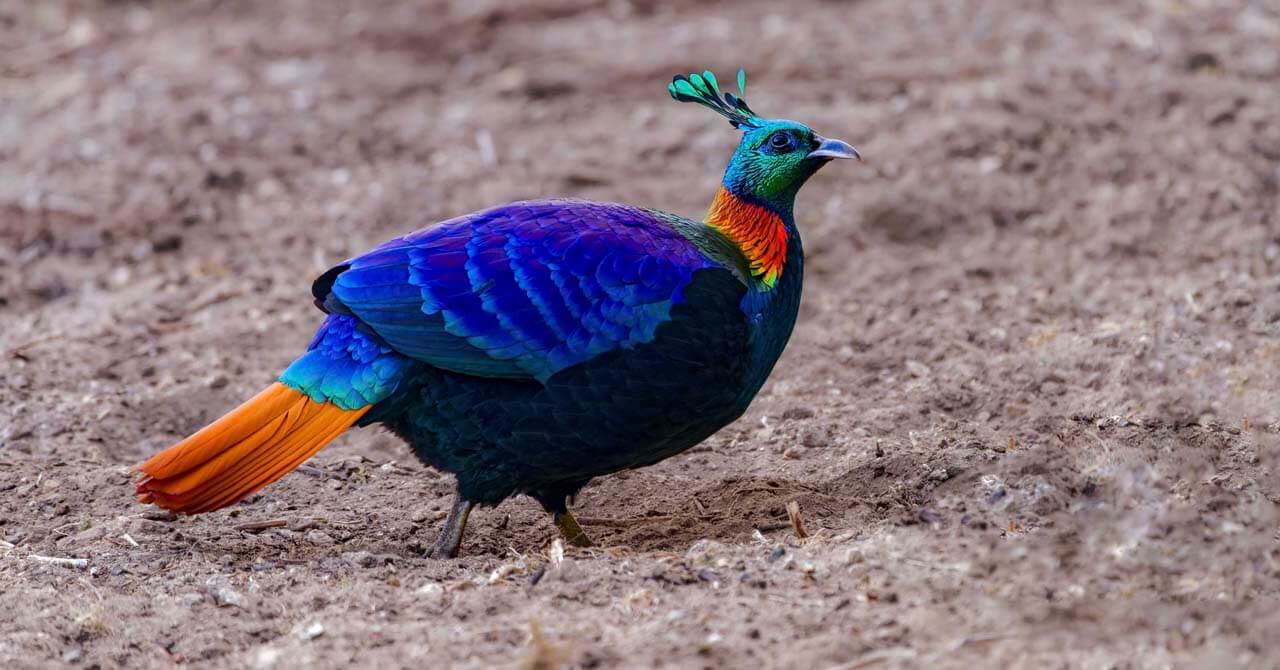
With its dramatic variation in altitude—ranging from lush temperate forests in the south to the arid, high-altitude steppes of the north—Dolpo creates a spectacular mosaic of habitats that supports over 197 recorded bird species. This region is a premier destination for spotting the iridescent Himalayan Monal (Danphe), Nepal’s national bird, which adds a flash of metallic color to the sub-alpine shrublands. The skies above the high passes are the domain of massive raptors; trekkers frequently witness the Himalayan Griffon and the Bearded Vulture (Lammergeier) riding the thermals, the latter famous for dropping bones on rocks to crack them open. Lower Dolpo and the adjacent Dhorpatan Hunting Reserve are critical strongholds for the elusive and vulnerable Cheer Pheasant, while the high Tibetan borderlands are home to specialized species like the Tibetan Snowcock and the striking blue Grandala, making every day on the trail a potential discovery for birdwatchers.
Major Highlights:
-
Himalayan Monal (Danphe): The stunning, multi-colored national bird of Nepal is commonly sighted in the pine and birch forests.
-
Raptor Haven: A prime location to observe the Bearded Vulture (Lammergeier), Himalayan Griffon, and Golden Eagle soaring over the cliffs.
-
Cheer Pheasant: The grassy slopes of Lower Dolpo and Dhorpatan support significant populations of this vulnerable and elusive pheasant.
-
High-Altitude Specialists: Home to the Tibetan Snowcock, Snow Pigeon, and Grandala, species adapted to the harsh alpine desert.
-
Migratory Corridor: The Kali Gandaki and Dolpo valleys serve as flyways for migratory birds like the Demoiselle Crane and various eagles crossing the Himalayas.
-
Diverse Habitats: Offers birding opportunities across distinct zones, from the temperate forests of Ringmo to the arid, treeless plateau of Upper Dolpo.
Herbs of Dolpo
The Living Pharmacy of the Himalayas
Herbs of Dolpo: The Living Pharmacy of the Himalayas
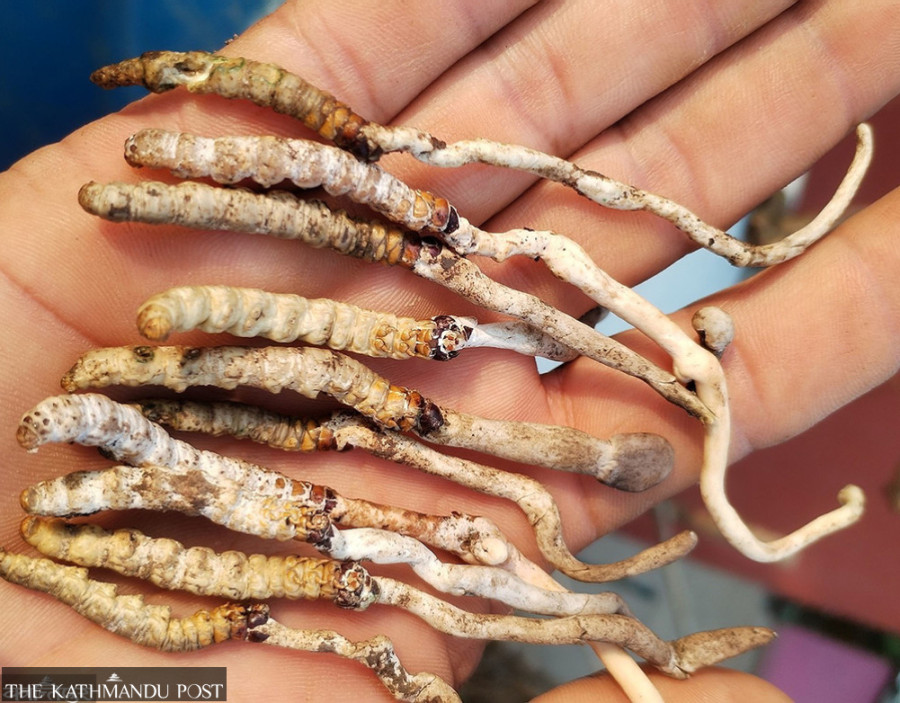
Renowned as a "hidden valley" of biodiversity, the Dolpa district serves as a vast natural pharmacy, home to hundreds of rare and highly potent medicinal plants that thrive in its unique Trans-Himalayan climate. The most famous among them is the legendary Yarsagumba (Caterpillar Fungus), often called "Himalayan Gold," a biological wonder formed by a parasitic fungus growing on a ghost moth larva, prized globally for its energy-boosting and aphrodisiac properties. Beyond this high-value harvest, the alpine meadows and rocky slopes are rich in therapeutic herbs like Jatamansi (Spikenard), Kutki, and Panchaule, which form the backbone of the ancient Amchi (Sowa Rigpa) healing tradition. This centuries-old medical system is kept alive by local Amchis in villages like Saldang and Dho Tarap, who possess deep knowledge of collecting and processing these plants to treat ailments ranging from altitude sickness to chronic diseases, making Dolpo a fascinating destination for ethnobotanical research and wellness.
Major Highlights:
-
Yarsagumba (Himalayan Gold): The world’s most expensive medicinal fungus (Ophiocordyceps sinensis), harvested during the "gold rush" season of May-June.
-
Amchi Tradition: Home to expert traditional healers (Amchis) who practice the Sowa Rigpa system using locally sourced herbs.
-
Rare Medicinal Plants: A habitat for endangered and potent herbs like Jatamansi (sedative/incense), Kutki (liver tonic), and Panchaule (vitality).
-
Aromatic Flora: The region abounds with aromatic plants like Juniper (Dhupi) and Anthopogon (Sunpati), widely used for incense and spiritual purification.
-
Ethnobotanical Hub: A prime location for researchers studying the relationship between indigenous communities and high-altitude plant life.
-
Amchi Clinics: Visitors can explore traditional clinics in Dho Tarap, Saldang, and Phoksundo to witness the preparation of herbal medicines.
Breathtaking Scenery
Cultural Heritage
Trekking Paradise
Photography
Stargazing
Comfortable Base
Ready to Explore Dolpa?
Book your stay at Hotel Blue Sheep Inn and start your adventure toPhoksundo Lake and Dho Tarap